Two Cosmetic Bottles That Look Identical: Where the Difference Actually Sits
A cosmetic glass bottle photographed from the same angle looks like a commodity: same silhouette, same neck, same capacity on the spec sheet. Then the samples arrive — or the second container does — and the difference appears somewhere else. In the clarity of the glass. In how the pump seats. In whether the decoration lands on bottle four thousand the way it landed on bottle four.
Yijing Glass has been forming cosmetic glass since 1998. What 28 years have built is not a bottle shape but a capability: making the next batch behave like the approved sample. This article explains where that difference actually lives, and what to ask any supplier — including us — before comparing prices.
The glass comes first, and we melt our own.
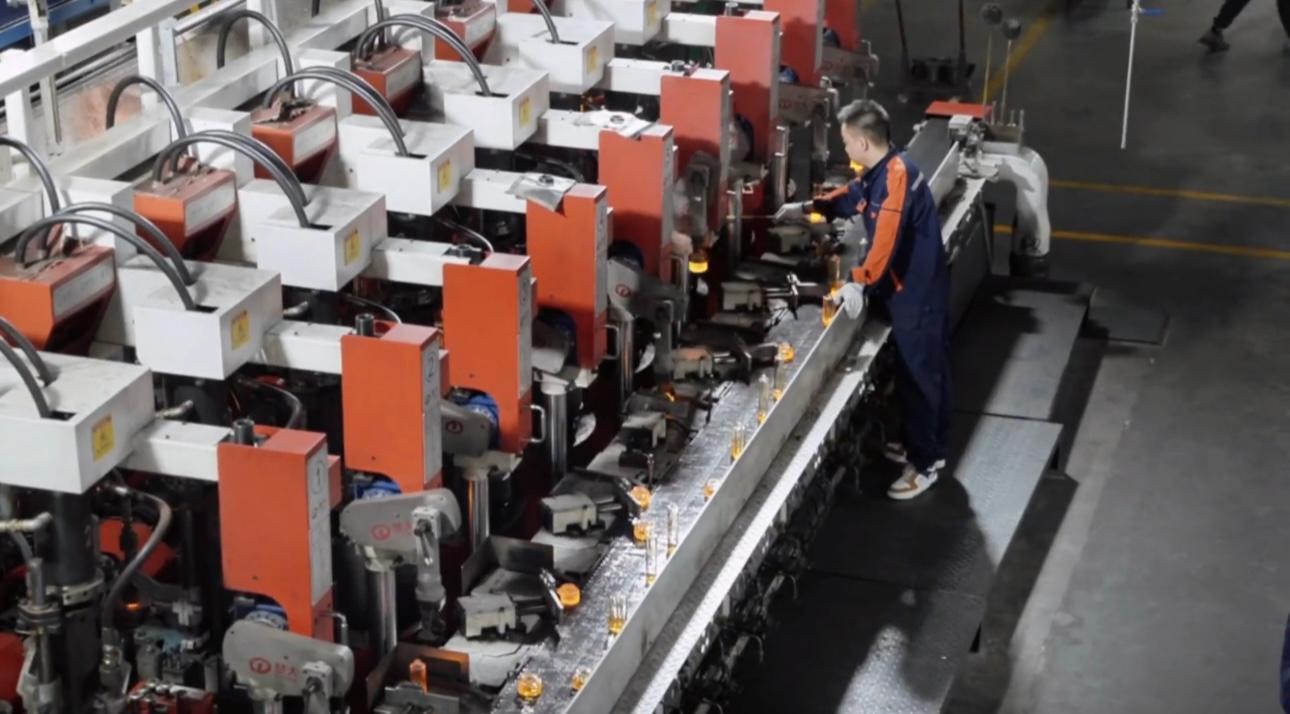
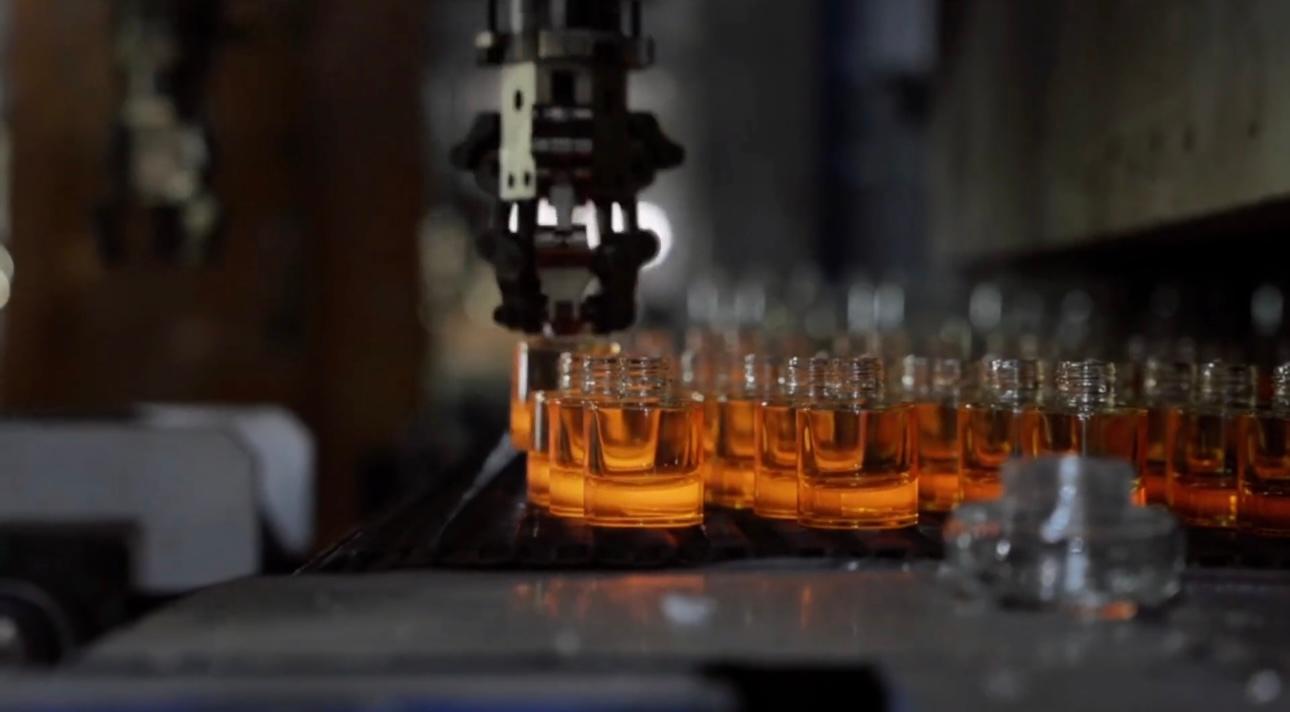
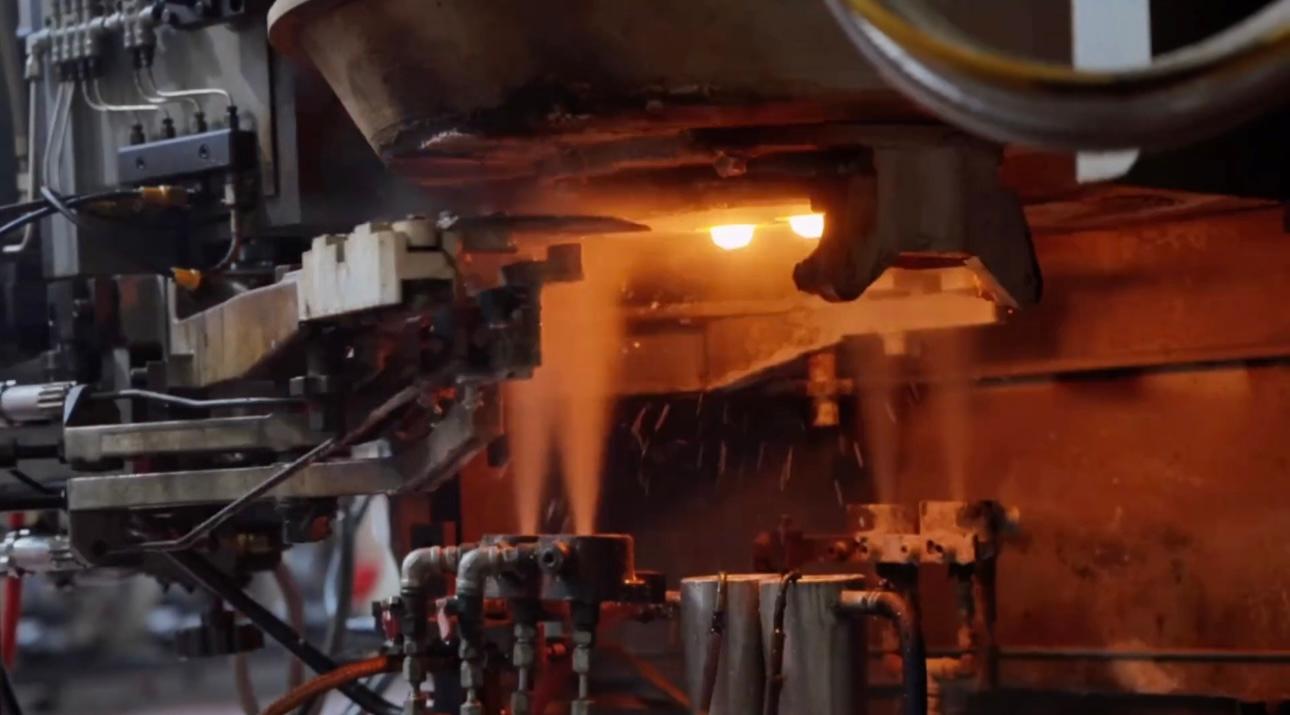
Bottle design is the visible layer. Underneath sits a material decision made long before decoration. The trade talks about flint glass and extra-white flint, but the useful question is never the name — it is the specification behind it: where the glass is melted, from which batch, at what iron content. That matters most where the bottle is the product’s display case. A clear serum, a pale fragrance, a lightly tinted essence are all seen through the glass, and a body with a green or grey cast quietly changes the colour of the formula inside. Yijing melts its own glass rather than buying gobs or finished bottles from third parties. Three production bases — two in Guangdong, one in Anhui — run their own furnaces, with group melting capacity of roughly 282 tonnes of glass a day and about 730 people. Melting in-house is why we can hold a colour and clarity standard across batches instead of inheriting whatever the upstream supplier ran that week.
Clarity is a specification, not a compliment.
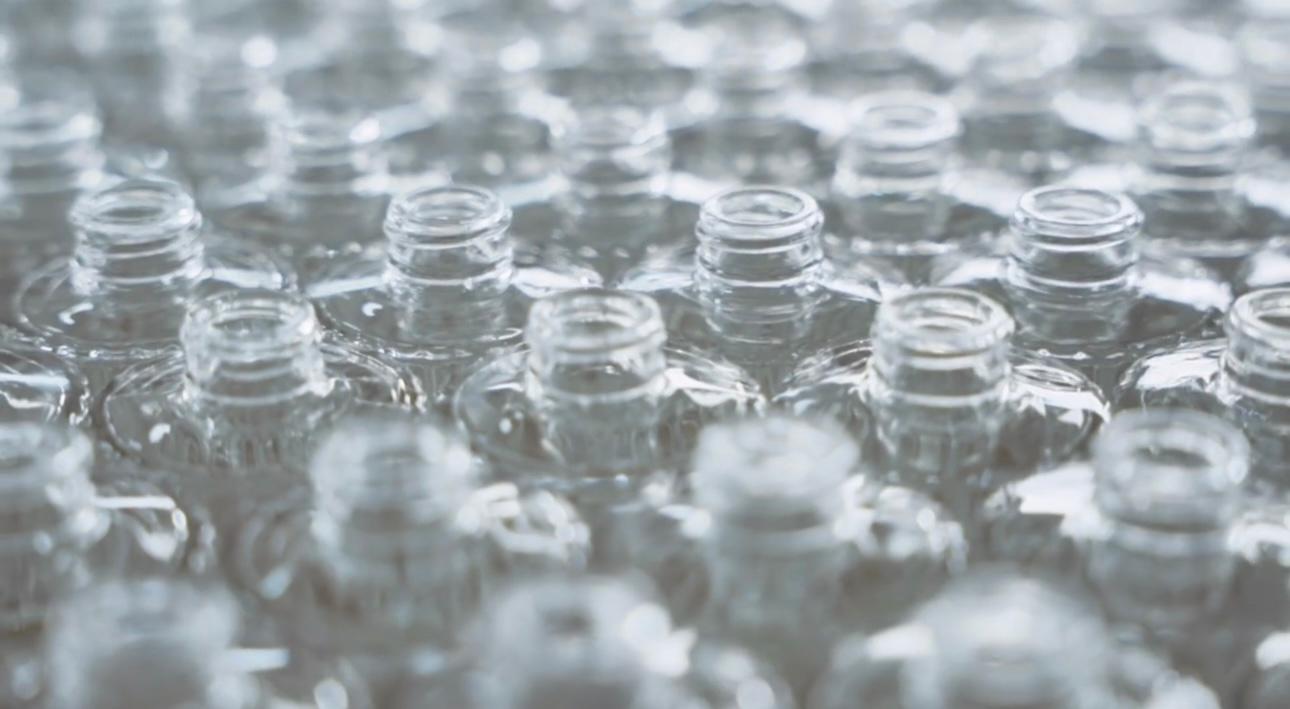
Put two transparent bottles side by side under the same light and the difference stops being abstract: one reads bright and neutral, the other slightly grey, or slightly green at the shoulder where the wall is thickest. For skincare and fragrance brands this is a packaging decision rather than an aesthetic preference — the bottle is the frame around the formula, and a tinted frame misrepresents the product. So the question to ask is not whether it is glass, but which glass specification will be used for the production sample, and which one for the mass order. Ask for both answers in writing.
Weight and wall distribution are designed, not accidental.
Two bottles can share identical external dimensions and feel completely different in the hand. That gap is not decoration; it is glass distribution. A developed bottle is not a heavy one — excess glass raises material cost, freight weight and handling requirements without improving anything the customer can see. A good structure puts material where strength is needed, at the shoulder, the base and around the neck, and keeps the wall even enough to form consistently run after run. That is why weight is written as a specification here: capacity, overall dimensions, weight and glass type travel together on the sheet. Fix all four and a price comparison becomes a comparison; leave them open and it becomes a conversation about photographs.
The neck is an engineering interface, not a styling detail.
Design attention goes to the body. Production problems happen at the neck. The neck finish determines which pump, dropper, sprayer or cap will actually seal — GCMI, FEA and DIN are the standards that make that conversation possible, and half a millimetre of drift in the thread or the bore is enough to turn a good bottle into a leaking one. At Yijing, pump fit is tested against the neck finish rather than assumed from a drawing, because the closure and the bottle are two separately manufactured parts that have to agree.
Annealing relieves stress. It does not prevent leaks.
This deserves stating plainly, because it is often described incorrectly. Annealing reduces residual internal stress in formed glass: after forming, the bottle passes through a controlled cooling curve in a lehr that lets the glass relax. Skip it, or run it badly, and the bottle carries stress that returns later as cracks during filling, capping or transport. What annealing does not do is stop leakage. A bottle leaks because of the packaging system — neck finish, closure, pump, sealing interface, assembly torque, compatibility of the formula with the liner. Annealing protects the glass; it cannot substitute for matching a closure to a bottle and testing the pair.
Nine decoration processes, one set of tolerances.
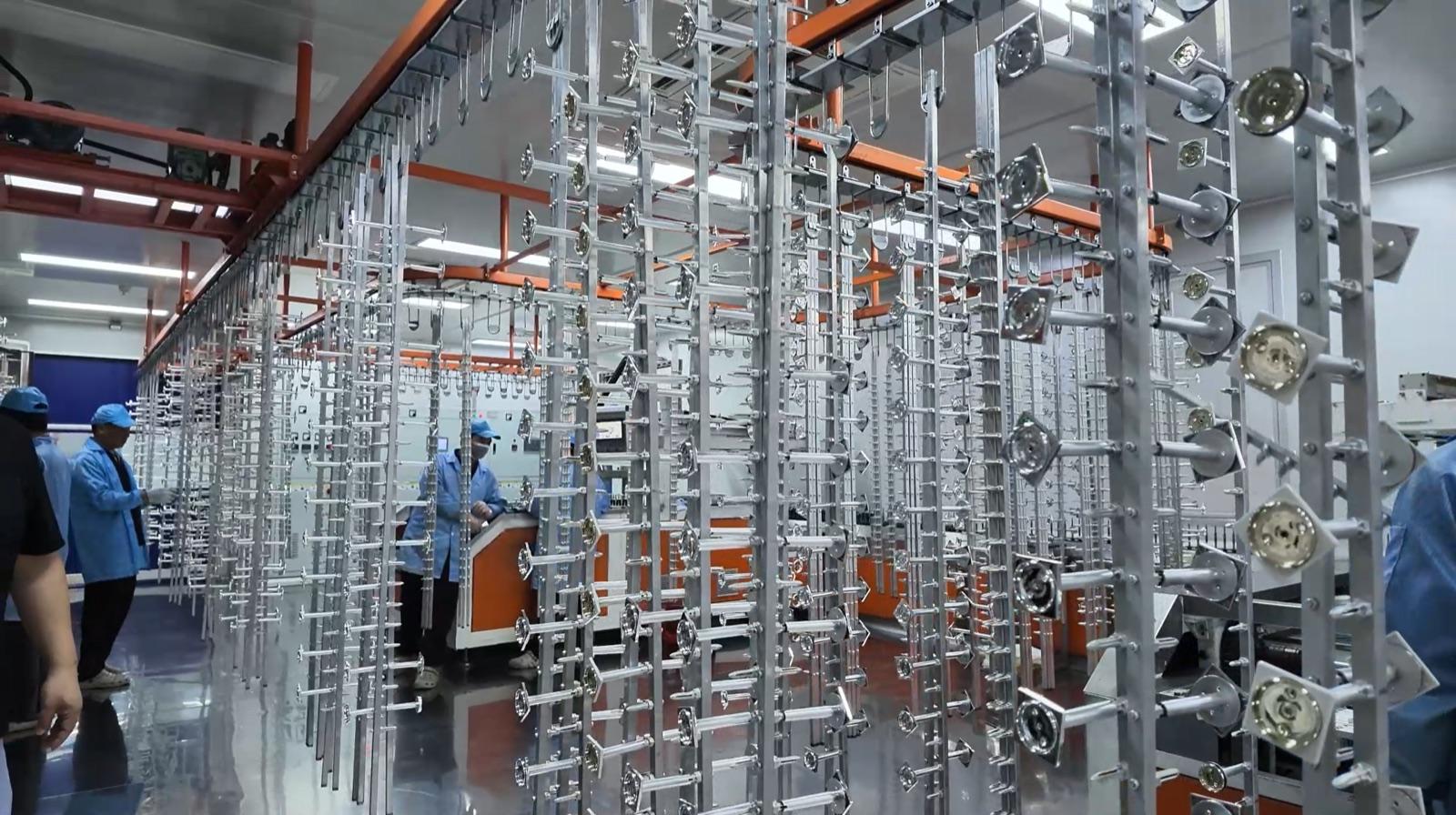
A plain bottle is the starting point. Almost every premium beauty project adds something, and every addition brings its own control requirements. Yijing runs nine decoration processes in-house: spray coating, inner and UV coating, silk screen printing up to six colours, frosting, hot stamping, decal, engraving, polishing and labelling. Keeping them in-house changes two things. The handover problem disappears — the bottle is not shipped to a decorator and back, so no one can blame the other party when a colour drifts. And colour approval can start from a physical sample rather than a Pantone code, because glass, coating thickness and light all shift the final result. Two suppliers can both quote a gold logo on a frosted bottle and mean different things: different frosting depth, different foil, different positioning tolerance, different inspection.
Inspection is a cost line — and the honest question is what happens to rejects.
Quality control is the least visible part of a bottle’s price and one of the largest parts of its real cost. A finished cosmetic bottle is normally checked for glass appearance, visible bubbles and inclusions, surface defects, dimensional consistency, weight, neck finish, decoration quality and packing condition. Yijing operates under ISO 9001, ISO 14001 and ISO 45001, with inspection at both ends: incoming material and outgoing product. But the question that separates factories is not whether they inspect. It is what happens to the bottles that fail. A plant that sorts and rejects before packing has a different cost structure from one that ships and lets the brand sort later — more per unit, less per project.
Why the cheaper quote often costs more.
Picture two quotes for the same bottle. Supplier A is slightly higher; supplier B is lower, and B looks like the obvious answer. Then production starts: glass clarity varies more than the sample suggested, decoration needs re-sorting before it can be packed, a percentage of bottles has to be replaced, and the filling schedule slips by a week. The unit price never changed. The packaging cost did. That is why mature brands compare total packaging cost rather than unit price — not because they like paying more, but because predictable quality is worth money. A bottle that behaves the same way every time is a bottle you can plan around.
MOQ: 200 pieces on stock moulds, 10,000 on new tooling.
Two different things are often quoted under one word. A stock mould is a shape that already exists and has already been proven: the tooling is amortised, so the minimum run is small — 200 pieces per SKU at Yijing, and different SKUs cannot be combined to reach it. A new mould has to be cut, proven and sampled, which is why the minimum is 10,000 pieces. Which one you are looking at is visible on our website: on the products page every model carries a MOQ badge, and the green MOQ 200 badge marks the stock range — those are the models you can start from 200 pieces. Models without it need new tooling. The quality standard does not change between the two: a stock mould is not a lower grade, it is a mould someone already paid to prove.
How to compare our quote with anyone else’s.
The habit that makes comparison possible is simple: compare specifications first, prices second. Ask every supplier to quote against the same sheet — bottle capacity, dimensions, weight and glass type; the exact glass specification, and whether the mass order matches the sample; the neck standard and the closure it accepts; the named decoration process, colour reference, decoration area and artwork; what is inspected and against what acceptance criteria; export packing and whether it has been validated for the shipping route; the MOQ for that exact configuration; and whether the approved sample represents the production specification. A quote that cannot answer these is not a cheaper quote. It is an incomplete one.
Not every project needs a new mould.
Our catalogue carries stock shapes across cream jars, serum and dropper bottles, lotion bottles, fragrance bottles and make-up components. A brand can take an existing body and apply controlled decoration — frosting for a different tactile feel, spray coating for brand colour, silk screen for a clean logo, hot stamping for a refined detail — and reach a distinctive result without paying for tooling. Custom development runs the other route: design, mould development, forming, decoration and packing under one roof, from drawing to production run.
Where to start.
The fastest way to test any of this is with a bottle in your hand. Send us the shape you have in mind — a reference photo is enough — and we will come back with the closest stock mould, the decoration options that suit it, and a sample timeline. If the project needs its own mould, we will say so and quote the tooling separately so the decision stays visible. Samples and quotations: meta@yijing-glass.com, or www.yijing-glass.com.